A Stationery Lover's Guide to Florence: Notebooks, Paper and Pen Shops
October 29, 2026 - Inspiration

October 28, 2026 - Inspiration
October 23, 2026 - Notebooks
October 19, 2026 - Writing Tools
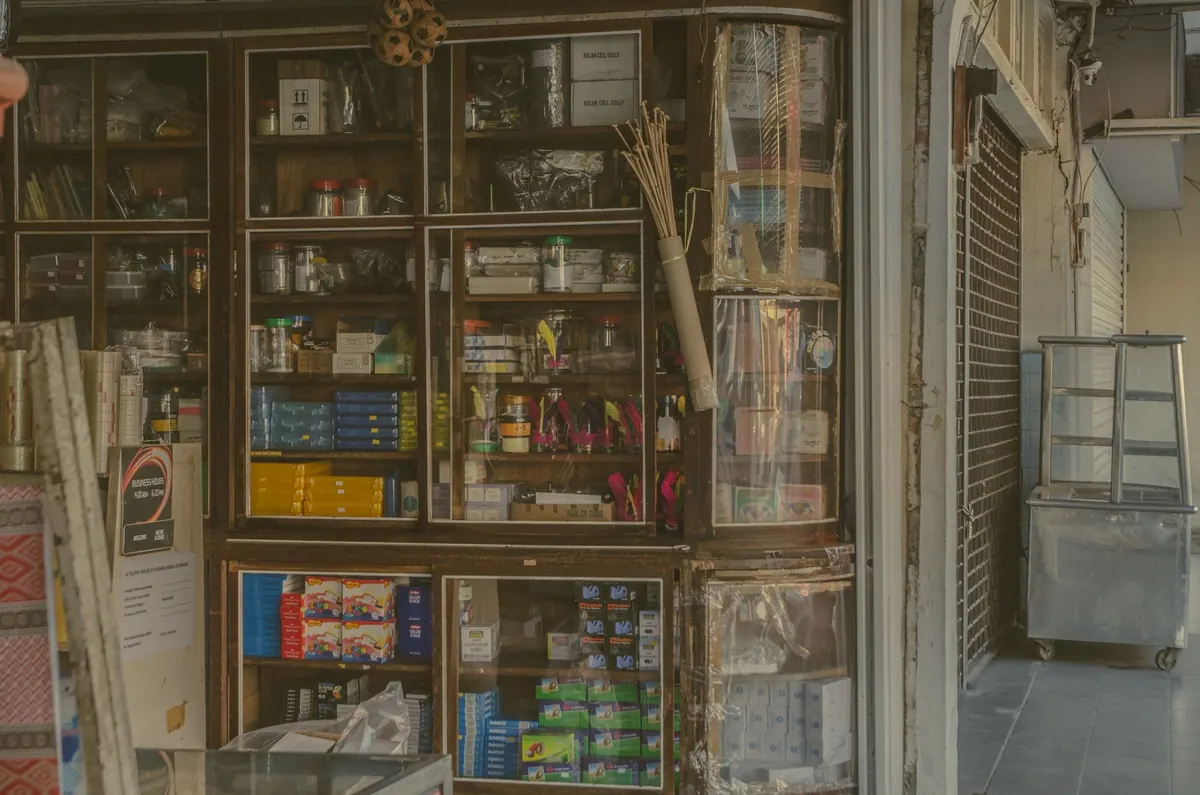
Florence rewards the journaler who looks past the postcard racks. The city’s stationery culture is not confined to museums; it lives in narrow streets and behind modest windows, where a cartoleria displays leather-bound notebooks beside school exercise books, and an art shop smells faintly of linseed oil. Set aside an afternoon, carry a pen you trust, and leave a little room in your bag. The pleasure is in browsing slowly, comparing paper, and buying one thing you will actually use.
A cartoleria is a stationery shop, but in Florence the best ones are also small editing rooms for your journal habit. You will find grand historic names and ordinary neighborhood shops within a few streets of each other. Pineider, on Via de’ Tornabuoni, is the polished end of the spectrum: leather, writing paper, pens and a sense of occasion. Il Papiro keeps marbled paper and notebooks in several locations around the center. Smaller cartolerie are where you find envelopes, refills, unusual pencils and the kind of practical notebook you can throw into a day bag without ceremony.
Walk in with a purpose but not a rigid shopping list. Check whether the notebook is made in Florence or simply decorated with a Florentine motif; both can be good, but they are not the same purchase. Ask who binds the books, whether refills are available, and whether the paper is intended for fountain pens or ballpoints. A good shop assistant will let you open a notebook flat and feel the paper. If the shop is busy, wait your turn and keep your questions specific.
Florence has a long association with marbled paper, and you will see it on journals, boxes, folders and loose sheets. The patterns range from tight, traditional combed designs to looser contemporary swirls. Look beyond the cover. A handsome marbled journal can hide thin paper and a glued spine that cracks after a week; a plain cloth-bound notebook can be the better working tool. Pick up each candidate, open it to the middle, and let it fall open in your hand. If it resists, the binding may be too tight for comfortable writing.
Buy the notebook you will write in, not the one that looks best on a shelf. If you are unsure, choose a smaller size. A pocket journal that travels with you beats a beautiful folio left in the hotel room.
Florence has specialist pen counters and shops where fountain pens are still treated as tools rather than display objects. Bring your own notebook. Ask to dip-test a pen on paper similar to what you use; a nib that feels smooth on a shop’s coated card may feel toothy on your journal. Check the filling system before you commit: cartridge, converter or piston. If you are traveling, cartridges are simpler, but a converter lets you use bottled ink. Left-handed writers should say so and ask for a finer or drier nib.
Ink is tempting and heavy. If you buy a bottle, double-bag it before packing, and keep it out of hand luggage if you are not sure about security rules. A small bottle is often enough for a trip. Ask whether the shop sells samples or small sizes; many do, and it is a better way to try a color than committing to a full bottle. Do not test a pen by pressing hard. A light hand tells you more about the nib.
Journalers who paste, paint and sketch should make time for an art supply shop. Zecchi, near the Duomo, is a historic stop for paper, sketchbooks, pigments and brushes. You will also find smaller shops with travel watercolor sets, gouache, colored pencils and glue sticks. The useful question is not “What is the best paper?” but “What paper suits the way I work?” Loose watercolor paper can be cut and folded into a simple travel journal; a stitched sketchbook with heavier pages may be better if you paint directly in the book.
Check sizing if you plan to use watercolor. Sized paper takes washes without turning fuzzy. Test a brushstroke on a corner or ask for a sample. If you are buying loose sheets, roll them rather than folding them, and keep them in a cardboard tube. A small travel palette and a water brush take up little space and turn a café table into a desk.
Museum bookshops are not only for exhibition catalogues. The Uffizi, Palazzo Pitti and Palazzo Strozzi shops often carry notebooks with reproduction maps, marbled endpapers and covers drawn from paintings or architectural details. These make good “Florence books”: a single journal reserved for the trip, rather than another blank notebook added to the stack. Check the paper before you fall for the cover. A museum shop may stock elegant notebooks with paper better suited to pencil than fountain pen.
Use the journal as you go. Tape in a ticket, note the light in a courtyard, sketch the shape of a window. A city journal becomes more valuable when it is imperfect and dated. Write the shop name and the paper weight inside the back cover; future you will want to know where that good notebook came from.
For vintage paper and old ledgers, head to the flea market around Piazza dei Ciompi when it is running, and browse the Oltrarno’s smaller workshops and antique stalls. Look for loose postcards, stamps, accounting ledgers, letters and offcuts of printed paper. These are useful for collage, pockets and endpapers. Check for mold, smoke damage and insect marks before buying. A little foxing is part of the character; a musty smell that clings to your hands is not.
The Oltrarno also rewards wandering. Via dei Serragli and the streets around Santo Spirito have small shops where paper, leather and bookbinding supplies appear beside household goods. Ask before handling loose sheets, and do not unfold a fragile map on a windy street. If you bargain at a market, keep it friendly and only start if you are genuinely interested.
Begin in the center around Via de’ Tornabuoni and the Duomo, where historic stationers, pen counters and art shops sit close together. Cross the Arno to the Oltrarno for smaller workshops, then finish at Piazza dei Ciompi if the flea market is open. Shops often close for riposo in the middle of the day and may close on Sundays or Mondays, so check hours before you set out. Carry cash for markets and small shops. Ask before testing a pen or opening a sealed notebook. And keep one small notebook in your pocket for notes on what you liked, what you skipped, and where you want to return.
Photo: lbyphoto / Pexels
Thirty autumn journaling prompts to help you record falling leaves, small rituals, family memories, and the quiet...
A calm, practical method for starting a fresh notebook: test pages, a simple index, and first-entry ideas that lower...
October 28, 2026 - Inspiration
October 23, 2026 - Notebooks
Copyright © 2026 Quaderno Nero. All Right Reserved.