A Stationery Lover's Guide to Florence: Notebooks, Paper and Pen Shops
October 29, 2026 - Inspiration

October 28, 2026 - Inspiration
October 23, 2026 - Notebooks

October 19, 2026 - Writing Tools
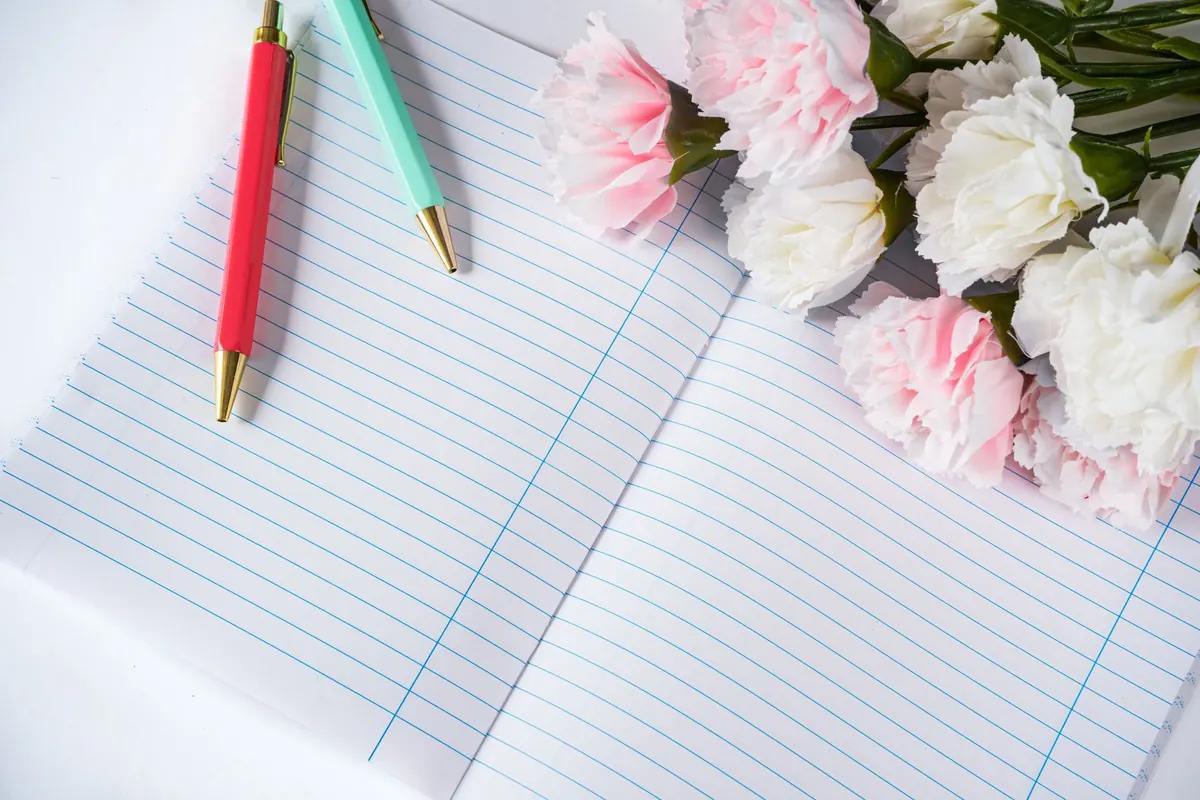
A bullet journal can look like a hobby with a shopping list attached: washi tape, brush pens, stencils, a ruler with a grid printed on it. Look past the photographs and the method underneath is plain. You need something to write on, something to write with, and the habit of opening it. One dotted notebook and three pens will carry you through your first year — collections, monthly logs, daily entries and all. What follows is the order in which you actually build it.
An A5 notebook with a dotted grid and roughly 180 to 200 pages has become the standard for a reason. It fits in a bag, the dots keep your lines straight without shouting at you, and a full year usually fits between the covers if you keep entries lean. Paper of 100 gsm or heavier handles everyday pens without feathering or ghosting through to the other side. Lighter paper is fine too, as long as you accept that a wet marker will leave a shadow on the reverse.
Buy the notebook you can replace easily. The second one matters more than the first, and you will not know what you want from a notebook until you have filled one badly. If there is a half-used book on your shelf with forty blank pages at the back, start there tonight. A notebook with a torn-out page and a coffee ring is a better teacher than a pristine one you are afraid to spoil.
Two small jobs before anything else. Number the pages in the top outer corner, at least the first twenty, in pencil if you prefer. Then turn to the last two pages and make a pen test: one short line with each of your three pens, wait a minute, close the book, and check the opposite page for show-through. That single test tells you which pen is safe for double-sided writing and which one belongs on headers only.
The temptation is to buy a set of twenty-four. Resist it. Three pens with distinct roles do more for a journal than a drawer full of colours, because the point of the system is to find things quickly. Assign each pen a job and let it keep that job for the whole notebook.
Keeping the accent colour rare is what makes it work. If everything is highlighted, nothing is; a single red date near the top of a page is easier to spot than a rainbow of headings. A colour you actually use is worth more than twenty you admire.
Most beginners stall because they try to build every page type at once. Build these four, in this order, and add nothing else until they feel routine.
Page one, two columns: page number on the left, what is on it on the right. Fill it in as you go rather than in advance. The index is not decoration; it is the reason a paper notebook can hold a year of scattered notes and still be searchable in ten seconds.
A two-page spread listing the next six or twelve months, with a few lines under each. Put in birthdays, trips, renewals, appointments booked months ahead. Before you plan any month, glance back at this page — it is where the things you would otherwise forget are waiting.
Left page: dates running down the side, one line each, for events and fixed commitments. Right page: a plain list of what you want to move forward this month. It takes five minutes on the first of the month and replaces most of the calendar anxiety people carry around.
No spread, no layout, no measuring. Take the next blank line, write the date, and start. A dot marks a task, a small circle marks an event, a dash marks a note. Cross a task out when it is done, or put a small arrow beside it when you move it to another day. That is the entire system, and it is enough for most people.
A daily entry that fills a whole page looks productive and reads like a burden. Aim for a short column instead: the date, then the two or three things that genuinely have to happen, then space for whatever arrives during the day. If you finish at lunchtime, the rest of the page stays blank and nobody minds.
A five-minute routine, done at the same time each day, keeps the habit alive:
Two habits to skip at the start: backfilling missed days and decorating before writing. If you lose a week, start at today's date and let the gap stand. And if you enjoy colour and tape, keep it as a separate pleasure — do it after the page has content, not instead of it.
A collection is any list that does not belong to a single day: books to read, notes from a course, a project plan, a packing list, the measurements of a shelf you keep meaning to build. Start one on the next free spread, give it a clear title, and add it to the index. That is the whole procedure.
The rule that keeps a journal usable is simple. If you have not opened a collection in a month, it is not a collection; it is a wish. Either give it a date and act on it, or cross it out and take the page back. A notebook with eleven abandoned trackers is harder to trust than one with four pages you visit every week.
After a fortnight, sit down with the notebook for ten minutes and look at how you actually used it. Which pages did you open without thinking? Which did you skip every time? Where did you hesitate because you were unsure which pen or which symbol to use? Those answers are worth more than any template you can copy.
Then make three small adjustments: simplify whatever you avoided, move whatever you kept flipping back to onto the current spread, and drop one thing entirely. Keep the pens as they are unless one is genuinely failing — a change of colour mid-month makes old pages harder to read.
By the third or fourth week the system should feel almost boring. That is the sign it is working. A notebook, three pens, and a few minutes a day will hold your collections, your months and your days without a single piece of specialist equipment, and it will still be there in a year, with the index to prove it.
Photo: Ylanite Koppens / Pexels

A practical browsing guide to Florence’s stationery shops, from historic cartolerie and marbled-paper workshops to...
Thirty autumn journaling prompts to help you record falling leaves, small rituals, family memories, and the quiet...
October 28, 2026 - Inspiration
October 23, 2026 - Notebooks
Copyright © 2026 Quaderno Nero. All Right Reserved.